Shipper Coalitions Intensify Opposition to Proposed Union Pacific and Norfolk Southern Merger Amid Regulatory Scrutiny

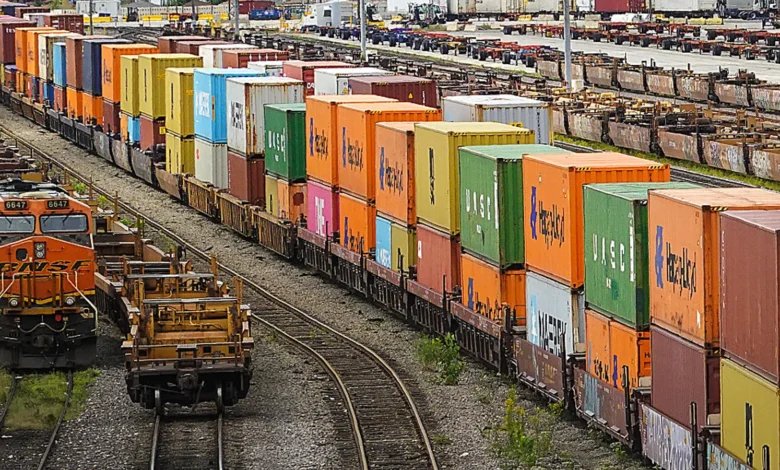
The proposed merger between Union Pacific (UP) and Norfolk Southern (NS) represents the most significant potential consolidation in the North American freight rail industry in decades, setting the stage for a high-stakes regulatory battle before the Surface Transportation Board (STB). As the deadline for formal comments on the merits of the transaction approaches in November 2026, a growing coalition of trade associations, particularly those representing chemical and fertilizer shippers, has intensified its lobbying efforts, arguing that the integration of these two industry giants would stifle competition, drive up shipping rates, and consolidate excessive market power.
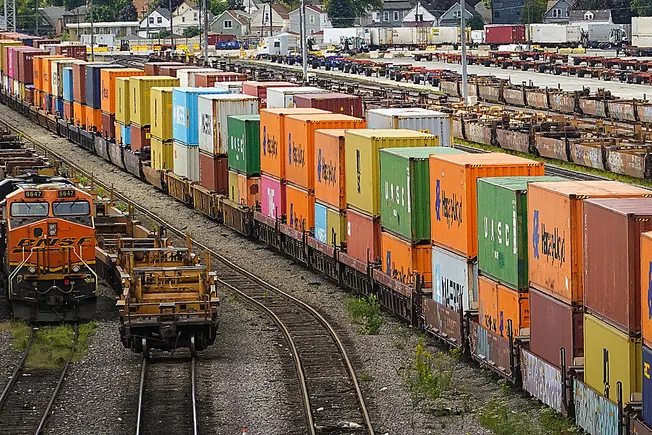
The deal, which was first publicly unveiled in an agreement signed in June 2025, envisions a massive combined network spanning more than 50,000 route miles across 43 states. By integrating their operations, the carriers aim to provide seamless service across 10 international interchanges and establish direct links with approximately 100 ports. Proponents of the deal argue that such a network would streamline intermodal logistics and enhance efficiency in an increasingly globalized supply chain. However, critics view the move as a dangerous step toward an oligopoly, pointing out that even prior to this merger, four of the six major Class I railroads already controlled more than 90% of U.S. freight movement.
A Chronology of the Regulatory Journey
The trajectory of this merger has been marked by iterative filings and repeated pushback from federal regulators. The history of the proposed integration illustrates the complexity of balancing corporate expansion with the mandate to maintain a competitive national freight network:
- June 2025: Union Pacific and Norfolk Southern announce their definitive merger agreement, citing a desire to improve transcontinental freight velocity and port access.
- December 19, 2025: The STB formally rejects the initial merger application. The agency cites missing documentation and failure to comply with mandatory regulatory reporting requirements, signaling that the board would not fast-track the proposal.
- April 2026: UP and NS submit a revised application, attempting to address the technical deficiencies highlighted by the STB in its December ruling.
- May 2026: The STB accepts the revised application for formal review, noting that the move does not constitute an endorsement of the merger’s merits but rather an acknowledgment that the application is now complete enough to proceed through the regulatory process.
- September 2026: A coalition of shippers files a joint motion to deny the merger, citing concerns over market concentration. STB board member Richard Kloster publicly criticizes the applicants for a lack of transparency and a failure to offer a robust plan to mitigate competitive harms.
- November 18, 2026: The deadline for stakeholders to submit formal comments regarding the merits of the proposed merger.
- February 16, 2027: The deadline for parties to submit responses to the comments filed by the November deadline.
The Economic Concerns of the Shipper Coalition
The primary apprehension among shippers, particularly within the chemical and fertilizer sectors, centers on the concept of "captive shippers." Many industrial facilities are served by only one rail carrier; if that carrier merges with another, the option to switch to a competitor—even if the competitor is geographically distant—becomes functionally non-existent.
The American Chemistry Council (ACC) has been one of the most vocal opponents of the deal. In recent statements, the organization emphasized that the health of the American industrial sector relies on the ability of shippers to choose their service providers. The ACC argues that the current rail market is already characterized by high rates and inconsistent service, and that further consolidation will only empower a combined UP-NS entity to exercise monopoly-like control over pricing.
"We will continue to stress to the STB that a healthy freight rail network depends on competition and customer choice, not increased market concentration and monopoly power," a spokesperson for the ACC noted. The association has consistently urged the STB to consider the long-term impact on supply chain fluidity, suggesting that the promised "synergies" of the merger are often used to mask a strategy of reducing service levels to maximize profit margins.
Regulatory Critique: The STB’s Stance
While the STB has permitted the application to move forward, the internal sentiment at the board suggests a high bar for approval. Board member Richard Kloster has emerged as a key voice of skepticism. In a recent docket filing, Kloster expressed frustration with the quality of the information provided by the railroad companies.

"Applicants have submitted thousands of pages of documents, yet they do not offer a very robust plan for how they will address competitive concerns or mitigate potential harms," Kloster stated. He further challenged the core narrative presented by the railroads, noting that the applicants rely heavily on the argument that the merger will improve intermodal efficiency. According to Kloster, the intermodal segment is already one of the most competitive parts of the logistics market, and using its improvement as a justification for the merger fails to address the lack of competition in bulk commodities like chemicals, coal, and grain.
The STB has reiterated that its acceptance of the revised application is a procedural step, not a substantive one. The board has made it clear that the burden of proof rests entirely on the merging parties to demonstrate that the transaction is in the public interest.
Broader Implications for the U.S. Supply Chain
The potential merger arrives at a time when the U.S. supply chain is under intense pressure to modernize. The integration of 50,000 miles of track would theoretically allow for "one-stop" freight movement from the Gulf Coast to the Pacific Northwest and the Atlantic seaboard. Proponents argue this could reduce dwell times at ports and allow for better asset utilization.
However, historical precedents for large rail mergers in the U.S. suggest that the transition period is often plagued by service disruptions. The merger between Union Pacific and Southern Pacific in the late 1990s, for example, resulted in massive operational gridlock that took years to resolve, costing shippers millions of dollars in delayed inventory and lost productivity. Industry analysts warn that if the current UP-NS merger were to proceed, the operational challenges of integrating two massive, distinct corporate cultures and technical networks could trigger similar service failures.

Furthermore, the political climate surrounding the merger is increasingly sensitive. A bipartisan group of U.S. senators has already engaged with the STB, expressing concerns that the rail industry has become too consolidated. These lawmakers have warned that any further reduction in competition could lead to higher inflation for consumer goods, as rail transportation costs are baked into the final price of everything from fuel to food.
Looking Ahead to 2027
As the November 2026 deadline for public comments nears, the industry is bracing for a wave of data-driven opposition. Economists are currently modeling the potential impact of the merger on regional freight rates. Early projections suggest that while some intermodal routes might see price stabilization due to increased efficiency, routes dependent on single-line service—which currently lack competition—could see sharp price increases as the combined entity leverages its consolidated market position.
The STB’s final decision, expected sometime in mid-to-late 2027, will likely hinge on whether the applicants can propose meaningful "divestitures" or "access agreements" that would allow other carriers to maintain service in regions where competition would be eliminated. Without such concessions, the opposition from the shipper community, combined with the skepticism voiced by regulators, suggests that the path to approval remains narrow.
For now, the rail industry remains in a state of suspended animation. The outcome of this case will not only determine the future of Union Pacific and Norfolk Southern but will also set a precedent for the limits of corporate consolidation in the American infrastructure sector for the next generation. As the November deadline approaches, the spotlight remains fixed on whether the promises of efficiency can outweigh the risks of a diminished, less competitive rail marketplace.